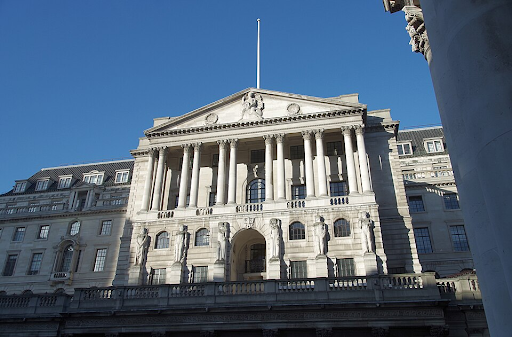
The impact of the Bank of England’s rate cut is not felt equally across the corporate world. For big businesses with huge cash reserves, a rate cut is marginal news. But for Small and Medium Enterprises (SMEs), who rely heavily on bank overdrafts and floating-rate loans, the cut to 3.75% is a matter of survival.
SMEs have been crushed by the combination of high interest rates and the “one-off shock” of the National Insurance hike. They don’t have the ability to issue corporate bonds like the giants; they pay what the bank tells them to pay. The 0.25% reduction flows directly to their bottom line, potentially saving thousands of small shops and tradespeople from insolvency in Q1 2026.
However, the “service sector stickiness” is largely driven by these SMEs. The local plumber or accountant is raising prices because their own costs are up. The Bank is trying to help them survive without encouraging them to keep hiking prices. It is a delicate balance.
Big businesses are more concerned with the demand side. They want the rate cut to boost consumer spending. If the cut fails to reverse the 0.1% GDP contraction, big retailers and manufacturers will start cutting jobs, which hits the SMEs down the supply chain.
Ultimately, the SMEs are the engine of the UK economy. This rate cut is fuel for that engine. If it’s not enough, the engine stalls, and the “fragile economy” breaks down completely.