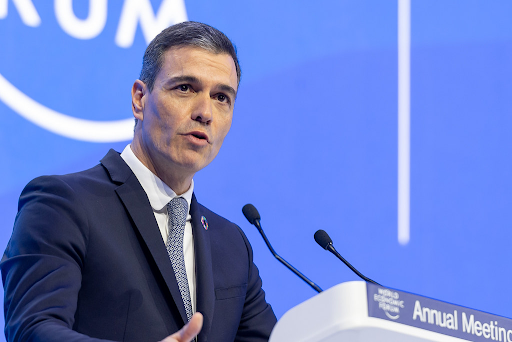
Spain has unveiled a €10.5 billion defense initiative to meet NATO’s 2% GDP military spending goal by 2025—four years ahead of its previous timeline. Prime Minister Pedro Sánchez announced the “industrial and technological plan for security and defense,” emphasizing the urgent need for Europe to defend itself against emerging threats.
The plan, approved by Spain’s cabinet, focuses on bolstering cybersecurity, telecommunications, and acquiring modern military equipment. It responds to a shifting security landscape where warfare increasingly involves drones, disinformation campaigns, cyberattacks, and the sabotage of critical infrastructure.
“In today’s world, missiles are not the only threat,” Sánchez said. “Adversaries exploit artificial intelligence, social networks, and paramilitary tactics to disrupt democracies. Europe must be prepared to protect its people and values—and Spain is ready to lead by example.”
This acceleration fulfills a defense commitment first made by a previous Spanish administration in 2014 and comes as NATO allies face growing pressure—particularly from the U.S.—to increase defense spending. Donald Trump has suggested NATO members should even consider a 5% GDP contribution.
Sánchez assured that the new defense funding will not result in higher taxes, welfare cuts, or deficit increases. However, the plan has drawn criticism from Spain’s left-wing Sumar coalition partners, who labeled it “exorbitant” and questioned its coherence.
Despite internal pushback, Sánchez reaffirmed Spain’s commitment to European unity and security. “From Ukraine to the Baltic states, every corner of Europe matters. Their security is Spain’s security,” he said.