
Dubai is in the midst of a significant transformation with a major infrastructure enhancement aimed at improving road connectivity and easing traffic congestion across the emirate. Central to these efforts is a Dh2 billion project known as the Latifa bint Hamdan corridor project. Spanning 12 kilometers, this ambitious initiative will create vital links between key roads including Sheikh Zayed Road, Al Khail Road, Al Meydan Street, Sheikh Mohamed bin Zayed Road, Sheikh Zayed bin Hamdan Al Nahyan Street, and Emirates Road. The project is expected to reach completion by the end of 2028, featuring seven bridges and eight tunnels designed to accommodate more than 16,000 vehicles per hour in both directions.
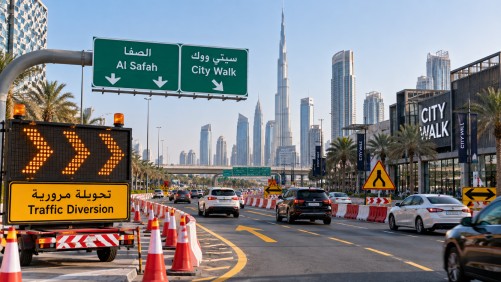
In line with these broader development goals, the Roads and Transport Authority of Dubai has introduced traffic diversions around Al Safah and City Walk, specifically affecting Al Satwa Street and Al Multaqa Street. These diversions are part of the Al Safa Street development project and are intended to facilitate continued traffic flow and access while construction activities are underway in the area.
The strategic diversions are crucial for maintaining traffic movement around the bustling City Walk area, a popular destination within Dubai. By rerouting traffic effectively, the Roads and Transport Authority aims to minimize disruptions and ensure that the city remains accessible even as these essential upgrades are carried out.
Once completed, the Al Safa Street development project, along with the broader Latifa bint Hamdan corridor project, is expected to significantly enhance road infrastructure, providing smoother and more efficient travel routes for residents and visitors alike. The improvements are a testament to Dubai’s commitment to advancing its transportation network to meet growing demands and support its status as a global city.