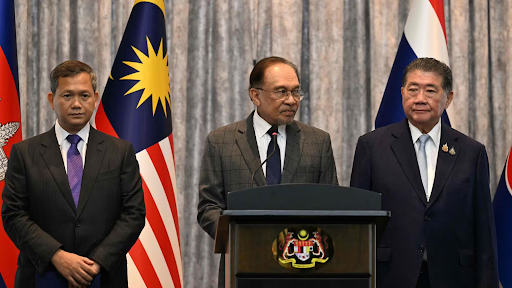
Senior military officials from Thailand and Cambodia are preparing for urgent consultations to implement the ceasefire agreement that ended five days of border fighting responsible for 36 deaths and the displacement of over 200,000 civilians. The military-to-military discussions represent a crucial component of translating diplomatic agreements into operational reality.
The involvement of military commanders reflects recognition that sustainable peace requires not only political commitment from leaders like Acting Thai Prime Minister Phumtham Wechayachai and Cambodian Prime Minister Hun Manet, but also practical cooperation between the armed forces responsible for border security and territorial defense.
The urgency of the military consultations is underscored by reports of continued artillery fire near the Cambodian city of Samraong, even after the official ceasefire took effect at midnight Monday. These incidents highlight the challenges military leaders face in ensuring that peace agreements are fully understood and implemented by forces in the field.
Malaysian mediation efforts that produced the ceasefire agreement included provisions for immediate military coordination to prevent misunderstandings that could reignite the conflict. The discussions will focus on establishing clear communication protocols, defining boundaries of engagement, and creating mechanisms for rapid response to potential incidents. A cross-border committee will meet in Cambodia on August 4 to address broader territorial disputes, but the immediate military consultations are essential for maintaining day-to-day peace along the contested border.